 FeQSoft
Many businesses search for the “perfect prompt”, as if a well-worded instruction alone could guarantee a good result. Prompts matter, but they are only one part of the work. If the input data is incomplete, the purpose is vague, there are no review criteria and nobody owns the final decision, even a detailed instruction can produce an uncertain outcome. Reliability therefore needs to be designed as a process.
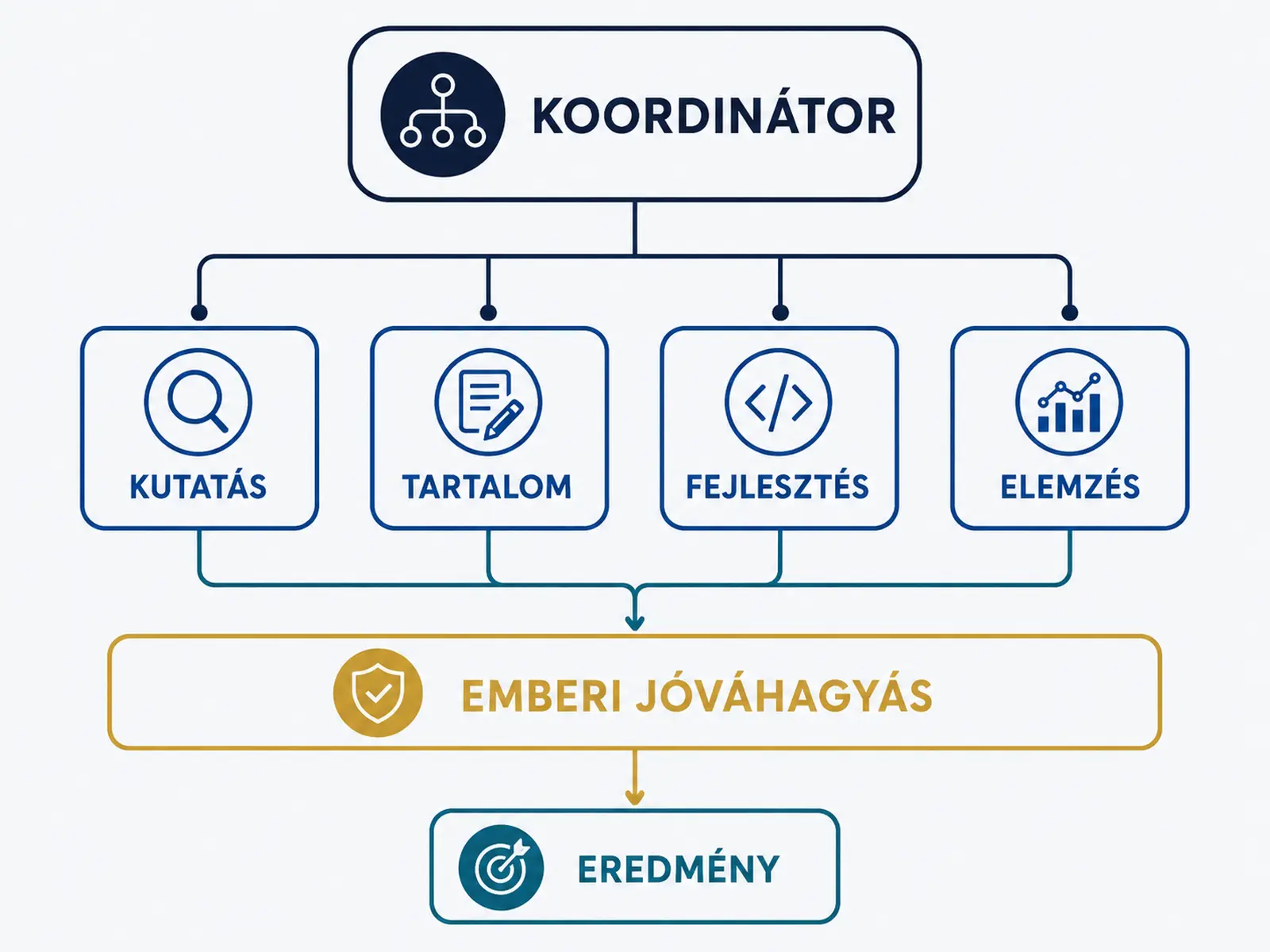
The first component is the task boundary. What exactly should the system produce, for whom, from which sources and in what format? “Write a proposal” is too broad. It is much better for AI to work from approved service descriptions, recorded customer needs and a defined structure, and then flag missing information separately. That way it supports a known business step instead of trying to fill gaps with guesses.
Source control and traceability
The second component is source control. Does the system know which document is current? Can it show what it used? Does it distinguish company facts from general background knowledge? If several versions of the same price list or procedure are circulating, organise that knowledge first. AI will not automatically resolve contradictions; it may simply hide them in a fluent answer.
The third component is a review checklist. A blog draft, a financial summary and an email to a customer need different checks. Record in advance the mandatory content, prohibited claims, tone, source requirements and decisions that require management approval. This is faster and more consistent than judging every output by a general impression.

Handling exceptions when the answer is uncertain
The fourth component is exception handling. What happens when information is missing, sources disagree or the system is not confident enough? A good process does not force an answer. It stops, asks or escalates to the responsible person. That matters especially for prices, contractual commitments and decisions affecting customers or staff.

Measuring and improving the whole process
Finally, measure how the process works. How much time did it save? How many outputs needed substantial correction? Which errors recur? The answers can guide changes not only to the prompt, but also to the sources, ownership and checks. The real advantage is not a secret phrase. It is a learning workflow in which AI speeds up work while people understand and direct the system.
Version such a workflow. Record which instruction, source set and checklist gave an acceptable result and why you changed them. If quality later declines or the tool changes, you have a basis for comparison and a rollback point. This is less showy than a new demo, but it makes the solution repeatable, transferable and accountable at management level.
To start, select ten earlier tasks that have already been resolved and run the proposed process on them. Because the right outcomes are known, you can compare accuracy, correction time and error types. Reuse the small test set after each future change.
Do not record the trial’s result only as a percentage. Also note what caused each error: an incomplete source, ambiguous instruction, inappropriate permission or a missed human review. Then the next improvement can address the right point, instead of treating a longer prompt as the answer to every problem.