 FeQSoft
When a business’s growth slows, it is easy to suggest more advertising or a new salesperson straight away. Yet the problem often does not begin with the number of enquiries. Perhaps the offer is difficult to understand, proposals take too long, the wrong customers are arriving, or opportunities among existing customers are being missed. A business development audit looks across the whole system and separates symptoms from causes.
The first part of the audit examines the market and the offer. Who is the service really for? What problem does it solve? On what basis do buyers compare it with competitors? Price alone rarely explains the decision. Often an unclear package, a vague outcome or too many choices make buying harder. Interviews and an analysis of lost proposals can quickly reveal where the company’s language fails to match the customer’s thinking.

From enquiry to order
The second area is the process from enquiry to order. How quickly does a new enquiry receive a response? Who decides whether it is worth preparing a proposal? Is there a next step and a named owner, or do cases drift through email threads? Improving conversion does not always require new software. Sometimes a shared qualification rule, a shorter proposal template and regular follow-up make the greatest difference.
The audit must also cover delivery. If sales sells work that the team can fulfil only through overtime, revenue may rise while profit and customer experience decline. Review capacity, handover points, recurring errors and manual steps that consume time. This is where it becomes clear whether a marketing, sales or operational constraint is really holding growth back.

Facts and measures in the audit
Without interpreting the figures, an audit can easily become a collection of opinions. Useful measures may include proposal win rate, turnaround time, average margin, the share of returning customers and the causes of complaints. You do not need a perfect database: even a few months of consistently collected data are better than decisions based on memory. It is important to connect each measure to a process and a person responsible for it.
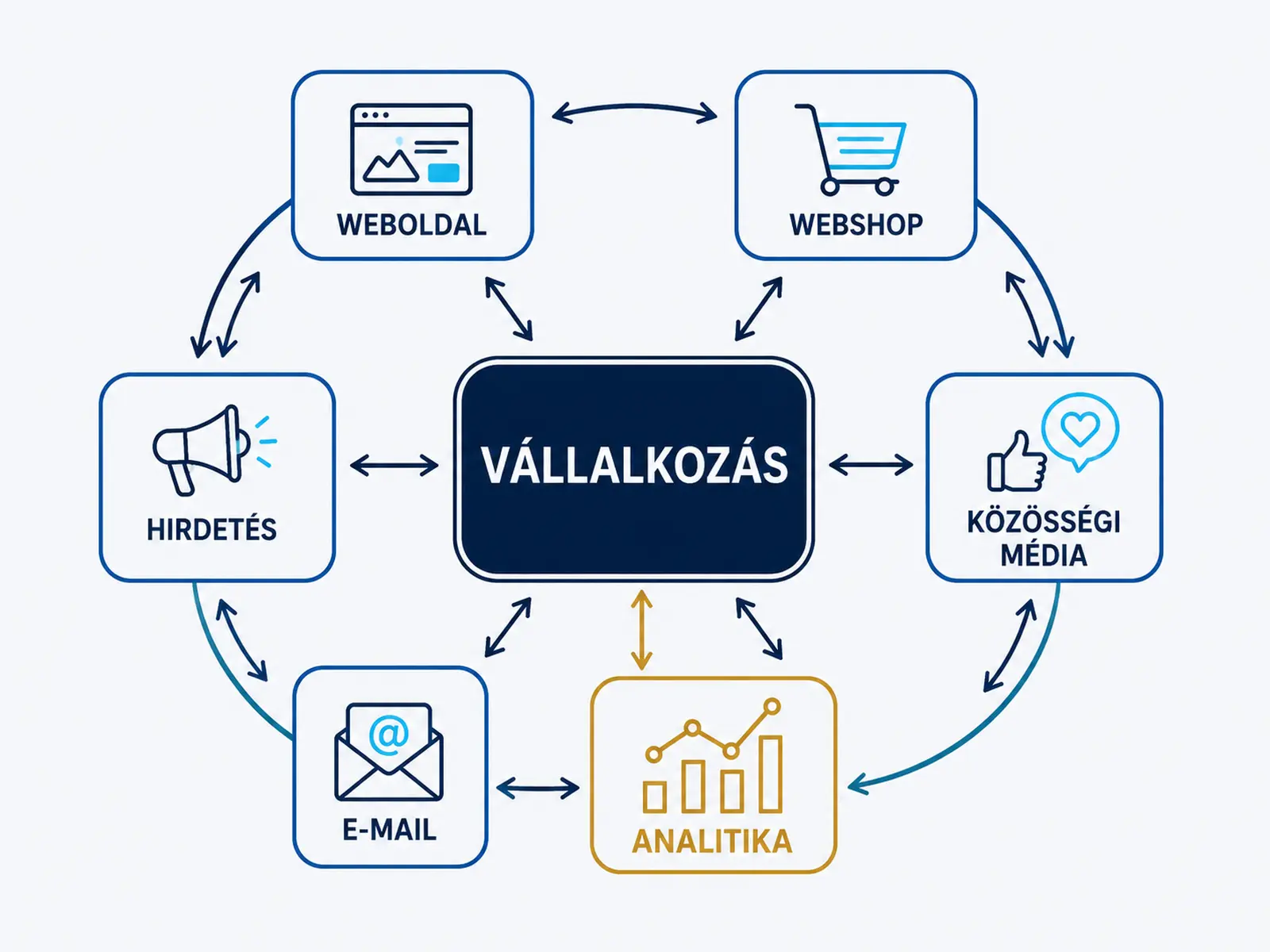
Order of improvements and next steps
A good audit should end with a sequence, not fifty tasks. The first round should focus on changes with a strong potential impact that can be tested quickly and have few dependencies. Each recommendation needs an owner, a deadline and a way to measure it. That turns the audit from a report left on a shelf into a shared business-development work plan for the next three months.
Schedule the first review at the start of the work. After thirty days, check whether changes have begun and whether useful data are being collected. After ninety days, assess whether business performance has actually improved. If it has not, do not dress up the failure; revisit the assumption. This is how business development becomes consistent learning rather than a one-off brainstorming session.
An external adviser brings particular value when they do not force ready-made answers onto a company, but compare management’s view with the reality of its processes and data. The decision remains with the business, but it can be made on clearer facts.