 FeQSoft
AI demonstrations are often impressive. For an SME, however, the important question is where AI can genuinely reduce repetitive work or uncertainty in decision-making. Not everything needs to be automated, and a large system is rarely the right first step. A good starting point is a frequent, clearly defined task with an owner, verifiable inputs and a clear expected result.
The first three opportunities concern communication. AI can summarise long email threads, sort incoming messages by topic and urgency, and prepare draft replies. Fourth, it can help extract decisions and tasks from meeting notes. The goal is not for a system to speak independently on the company’s behalf. It is to help a colleague understand the material faster and approve the next step.
Internal knowledge and decision support
The fifth area is internal knowledge. Working with documents, procedures and earlier material that the user is authorised to access, an assistant can help find relevant information and cite its source. Sixth, it can support proposal preparation by collecting approved service descriptions, checking what information is missing and producing a first draft. A responsible person must still check the final price, commitments and contractual terms.
The seventh and eighth opportunities concern interpreting data. AI can help summarise revenue, cost or inventory figures regularly and flag unusual deviations. In marketing, it can group campaign results and customer feedback. The distinction matters: the system can show a pattern; it cannot guarantee the cause. Decisions still depend on knowing where the data came from and the company’s current situation.

Preparing content with human oversight
Ninth, AI can help prepare content: turn customer questions into a list of topics, an interview into an article outline, or a long piece into shorter versions for different channels. Tenth, it can monitor a process, for example by flagging a stalled case, a missing approval or an approaching deadline. These uses work best when the process rules have already been made clear.

Choosing the first AI pilot
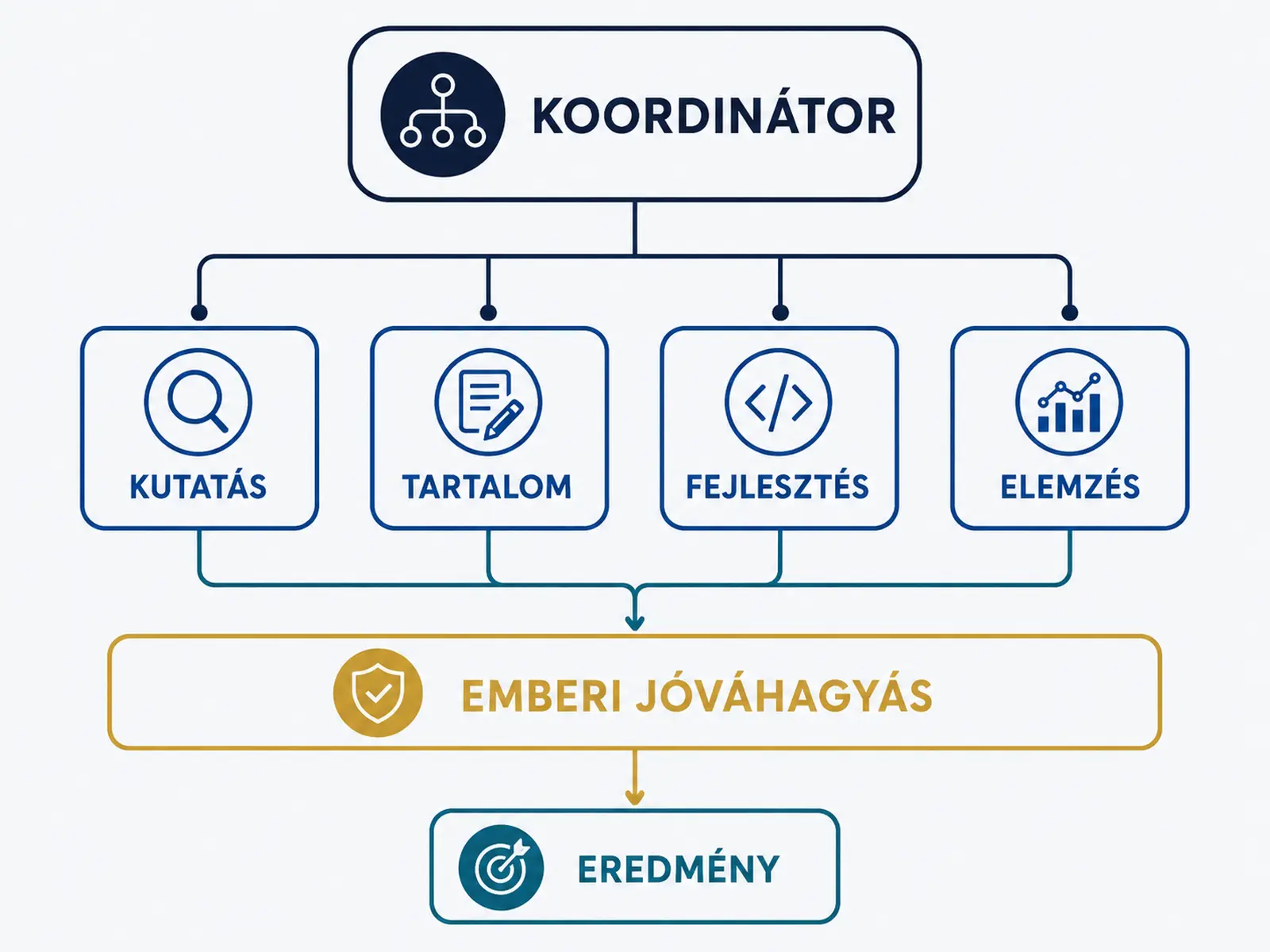
Consider three things when choosing the first pilot: how much time the task currently wastes, how sensitive the data is and how easily the output can be checked. Start with a small dataset, a logged trial and mandatory approval. If the pilot measurably helps, it can be expanded; if it does not, you have learned at relatively low cost that another problem needs attention. AI then becomes a business tool introduced step by step, rather than a demonstration for its own sake.
Each idea also needs a process owner. That person can define what a good outcome looks like, which errors are unacceptable and how much checking is practical. The technology specialist can then choose a suitable tool and security framework. Reversing that order risks creating an impressive solution for which the organisation later has to search for a real problem.
At the end of the first month, choose among three outcomes: keep and expand the pilot, retest it under revised conditions, or stop it. Stopping can also be a useful result if it becomes clear early that the data or process is not yet ready for automation.